
Start at the charger
For home charging, note whether the wallbox or the iX reported the fault and whether it occurs immediately or after a set period. If the issue is limited to one charging site, include that detail in the booking.
Charging interrupted, a drivetrain warning or EV maintenance due? Tell us what changed so we can agree the right checks for your iX.
Fault-code scan and report from AED 150

These are published general BMW prices. Confirm your iX fitment and the full amount before approving work.
For a fitted quote
Send your VIN, mileage and exact warning. Ask what the starting price covers and whether further testing is separate.
Open a symptom to see what to send and what to ask the workshop to verify.
What to reportSend the charger model, the exact message and whether the session starts before it cuts out. Note if it happens at one location or at several and whether a schedule or charge limit was active.
What to checkAn assessment can compare a known working supply, the cable and connector, the port or lock, and vehicle-side fault data. Ask which part of the charging path the test isolated before approving a charging unit.
What to reportRecord the station, starting battery percentage, displayed charging power and whether the car had time to precondition. If possible, note how the rate changed during the session.
What to checkThe rate depends on the station, battery temperature and state of charge as well as the vehicle. A consistent fault across sessions is more useful to the workshop than a single peak reading.
What to reportShare the exact warning, the state of charge and what happened immediately before it appeared. Mention recent work, an underbody impact or any exposure to standing water.
What to checkA scan and supply checks help determine whether to investigate the 12-volt system, vehicle communications, high-voltage controls, cooling or the drive unit. High-voltage work is subject to separate capability and parts confirmation.
What to reportDescribe whether it follows speed, braking or bumps and whether the tyres or wheels were changed recently. Include the current tyre sizes if available.
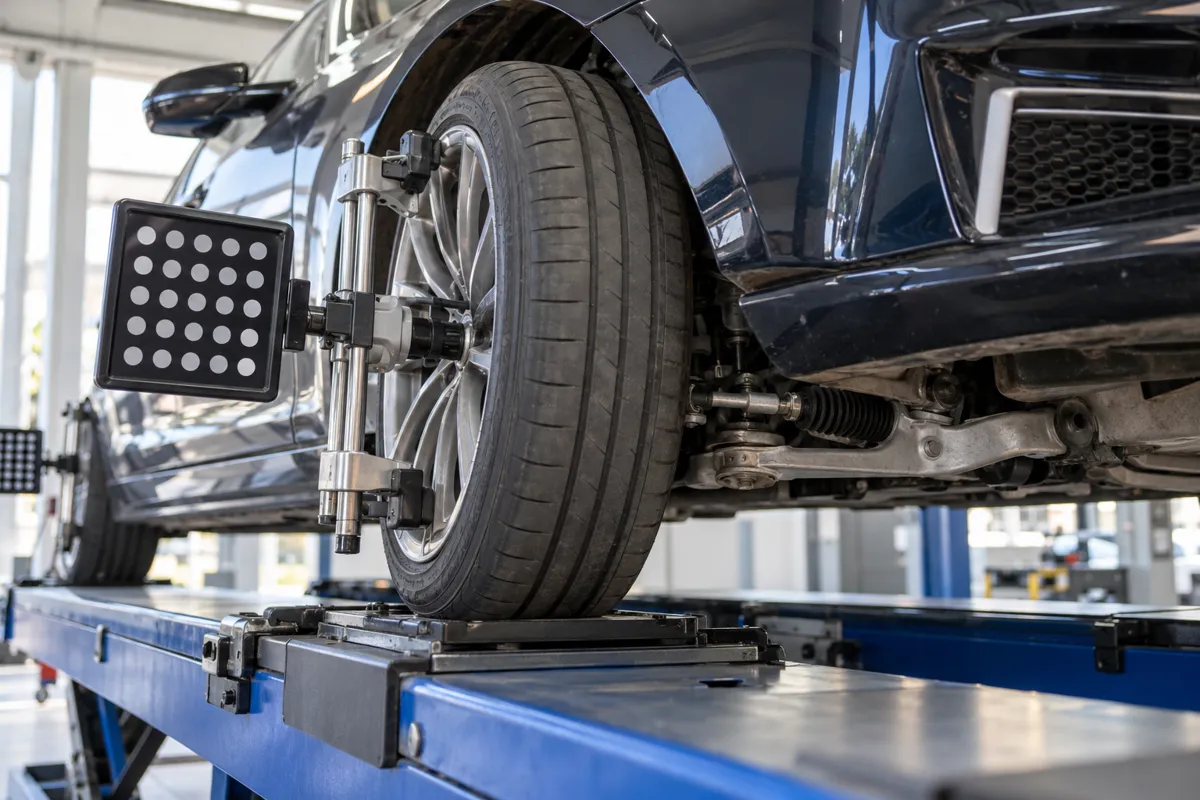
What to checkAsk for a check of wheel and tyre condition, brake measurements and suspension play. Where applicable, confirm whether the car has air suspension or rear steering before ordering parts or aligning it.
A charging fault is easier to trace when you can say where it happened and whether it affected AC, DC or both.
For home charging, note whether the wallbox or the iX reported the fault and whether it occurs immediately or after a set period. If the issue is limited to one charging site, include that detail in the booking.
The workshop can review the connector and charge-port behaviour alongside available fault data. Ask whether the findings point to a latch or connection issue, a supply problem or a component further inside the vehicle.
Ask for the exact part number and whether programming or setup is included. Where practical, agree which charging mode will be verified at handover and how an intermittent failure will be documented.
Ask which system was tested and which finding supports the repair.
Bring trip data and a dashboard photo so we can compare similar journeys.
Note the starting and ending battery percentage.
Save distance and energy use. Compare similar routes, speeds and traffic.
Note weather, AC use and any wheel or tyre changes.
Bring a photo or invoice if the drop followed a warning or repair.
Confirm what battery data is available for your VIN and how it was obtained.
Ask whether the result is an estimate or a separate test. Request the method, conditions and result when comparing a repair quote or buying the car.
Use the VIN and build details to confirm charging hardware, brakes and fitted equipment. The registration year alone may not identify the configuration.
Tell us the market of origin and any previous battery, charging or suspension work. For imported cars, ask the workshop to confirm the fitted connector and the parts it can source.
BMW documents revised charging and battery specifications across the updated range. Confirm the vehicle’s exact hardware and options before using a charging figure or ordering parts.
Bring the service display, mileage and previous invoices. List any faults separately.
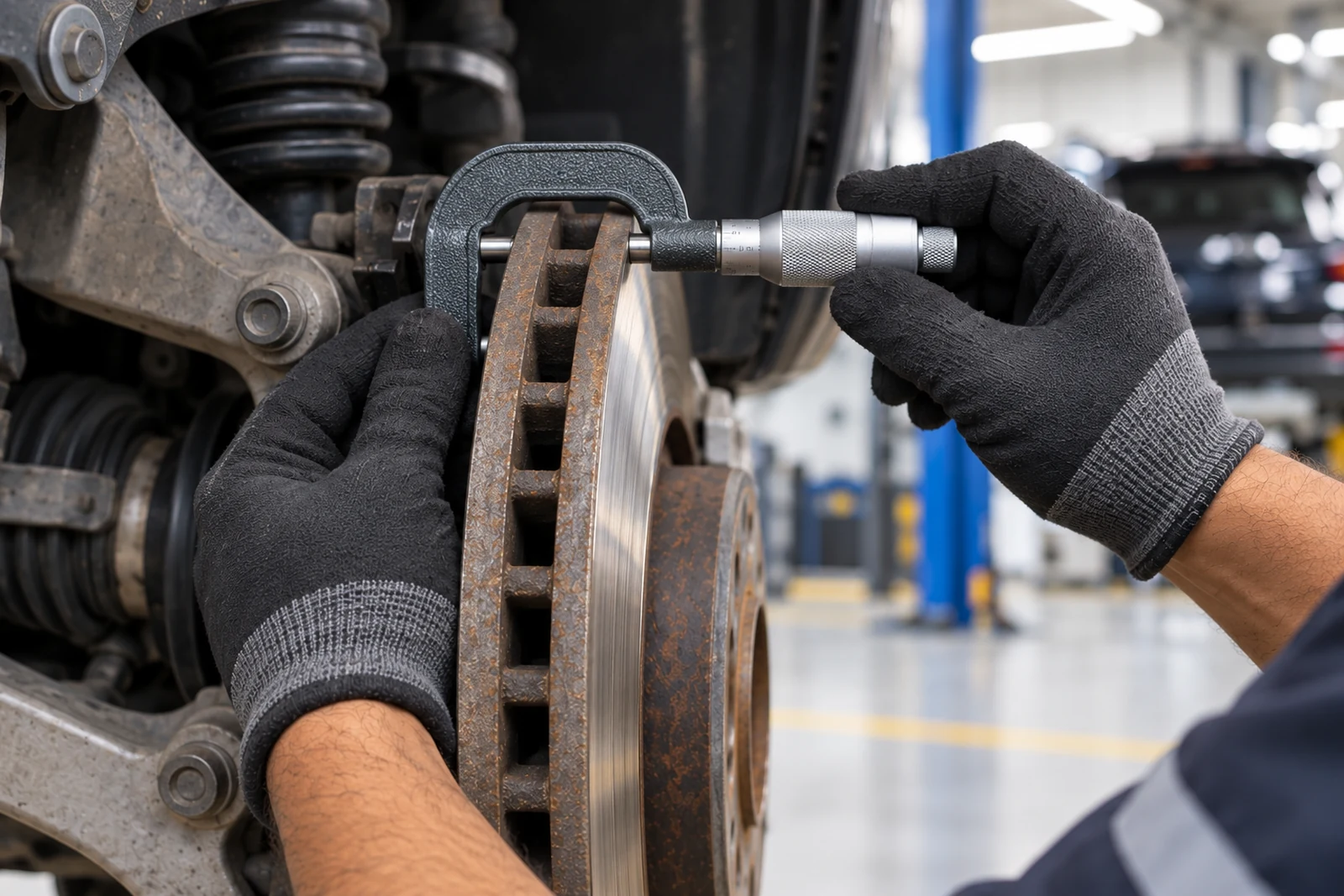
Check due items and friction-brake wear or corrosion. Ask for measurements and whether pads, discs, sensors, hardware and fluid are included.
Record sizes and wear on both axles. Check tyres and joints before alignment. Report any sag after parking or height-control warning while driving.
Check filter history. Report weak airflow, warm air or noise, especially alongside an EV temperature warning. Ask what was tested.
Keep test results, part numbers and setup details. Follow the iX service display and records. Its electric drivetrain requires no engine oil change.
Two checks you can ask to see
Ask for written findings before deciding which repairs affect the purchase price.
Match the VIN and production details to service and repair records. Ask about imports, accident repairs, previous battery or charging work, and any outstanding campaigns or warranty restrictions.
Ask for a charging demonstration when practical. Record the charging type and any warnings. If a seller offers a battery-health figure, ask which method produced it and which conditions were recorded.
Ask for an underbody and tyre inspection, then check the brakes, ride and any warning messages during a practical road test. Ask for written findings split between immediate work and items to monitor.
The workshop publishes an initial fault-code scan and report from AED 150. Confirm the scope for your iX and agree any separate charging, cooling, electrical or high-voltage tests before work starts.
The two modes use different charging paths. A problem with the AC supply, cable, port or vehicle-side charging equipment can affect AC while DC still works. Record the exact warning and where it happened before booking an assessment.
Range estimates respond to driving history and conditions such as speed, temperature and climate use. For a persistent change, compare similar trips and ask which battery-health data the workshop can obtain for your VIN.
A fitted quote requires confirmed diagnosis, the exact part, available repair routes and the workshop capability for that job. Check manufacturer coverage and any recall action by VIN before authorising paid high-voltage work.
Yes. Use the service display and repair history to plan due work and condition checks such as brake fluid, friction brakes, tyres and cabin filters where applicable.
Call with your location, the exact message and whether the car can move. The workshop can then confirm suitable transport, availability and any charges. Mention any underbody impact or water exposure when you call.
Have the VIN, mileage and exact warning ready. If the car cannot move, tell us where it is and what happened so we can discuss suitable transport.