
BMW Turbo Failure in Dubai | Symptoms, Causes & Solutions
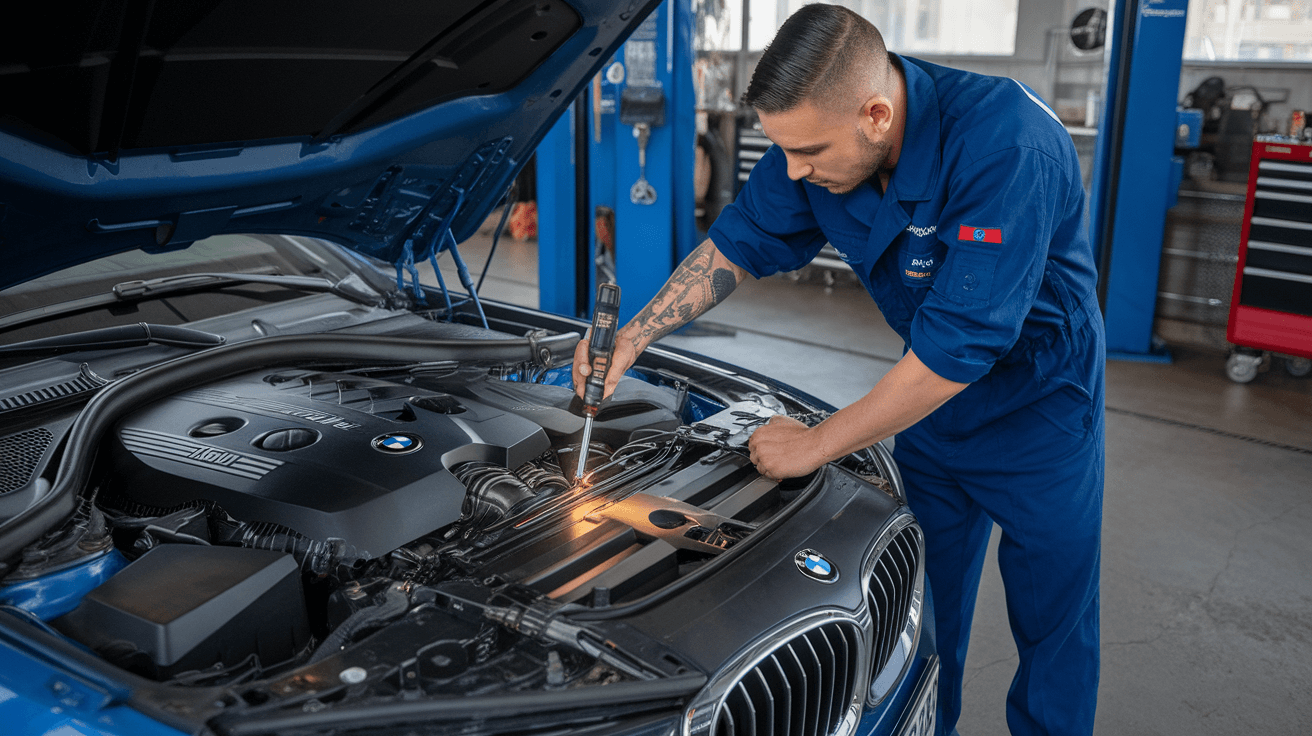
It starts with a slight lag. Then the power fades. You press the pedal, but your BMW hesitates. That’s often the first sign of BMW Turbo Failure, and in Dubai, it hits harder. Turbochargers push compressed air into the engine, giving your BMW its punch. But Dubai’s heat, dust, and traffic wear them down fast. We’ve seen turbos crack, oil lines clog, and bearings fail, all because the climate here is unforgiving.
One 3 Series came in last month, barely making it up Al Khail Road. No smoke, no lights, just sluggish. The turbo was cooked. Heat damage and oil sludge. Classic BMW turbocharger Dubai case. BMW engine issues like this don’t wait. If you catch it early, you save the engine. If not, repairs get expensive. That’s why BMW repair shops in Dubai need to act quickly. The turbo failure causes here aren’t textbook; they’re local.
Understanding the BMW Turbocharger System
Have you ever wondered what’s really going on under the hood when your BMW suddenly feels sluggish? It’s not just heat or traffic; it’s often the turbocharger system starting to give up. And in Dubai, that happens faster than most expect. Let’s keep it simple. The BMW turbo system is built to deliver power. It compresses air using a turbine and forces it into the engine. That’s how you get BMW engine boost, quick throttle response, better torque, and fuel efficiency. But this system isn’t bulletproof. It’s composed of delicate components: the turbine, compressor, intercooler, wastegate, and oil lines. Each one has a job. Each one can fail. Here’s what we see in Dubai:
- Heat stress melts seals and cracks housings
- Sand particles sneak past filters and grind the turbine
- Thin oil from long idle times ruins bearings
- Boost pressure drops when the wastegate sticks
One 740Li came in last week, barely pulling on Sheikh Mohammed Bin Zayed Road. The turbo looked fine until we opened it. Compressor blades chipped, intercooler clogged, oil feed restricted. Classic BMW Turbo Failure.
Fact: A turbo spins up to 150,000 RPM. In Dubai’s heat, that’s a recipe for breakdown.
The turbocharger mechanism isn’t just about speed; it’s about balance. When that balance tips, you lose performance. And if you ignore it, you’re heading straight for BMW Turbo Failure.
Early Symptoms of BMW Turbo Failure in Dubai
It does not always start with smoke or flashing lights. Sometimes, it’s just a feeling. You press the pedal, expecting that familiar surge, and the car hesitates. Feels heavy. Sluggish. That’s how it begins.
One 530i owner told us, “It felt like the car was holding back, like something was choking it.” That’s not imagination. That’s the turbo struggling to build pressure. And in Dubai, where heat and traffic push every system to its limit, this happens more than you’d think. Here’s what we see most often:
- Loss of power during acceleration, especially when merging or climbing
- Excessive smoke, blue from oil leaks, black from poor combustion
- Turbocharger noise, a high-pitched whine, sometimes like a distant siren
- Poor acceleration, even in Sport mode
- BMW engine smoke trailing under load
- Dashboard warnings related to boost pressure or engine management
- Fuel economy drops, even with light driving
These alerts often connect directly to underlying BMW turbocharger issues that develop sooner in Dubai’s heat than owners expect. One X5 came in last week. No codes, no overheating. Just a faint whistle and a bit of smoke. The turbo seals were leaking, oil had reached the exhaust, and the intercooler was fouled. Classic BMW Turbo Failure.
Tip: If your turbo’s leaking oil, it’ll burn in the exhaust. That smoke isn’t just ugly, it’s a warning.
BMW turbo symptoms don’t always show up on diagnostics. You feel them first. A delay. A sound. A smell. Ignore them, and you risk more than just the turbo. You risk the engine. BMW Turbo Failure in Dubai isn’t rare. It’s routine. And catching it early is the only way to avoid a full breakdown.
Dubai-Specific Causes Behind BMW Turbo Failure
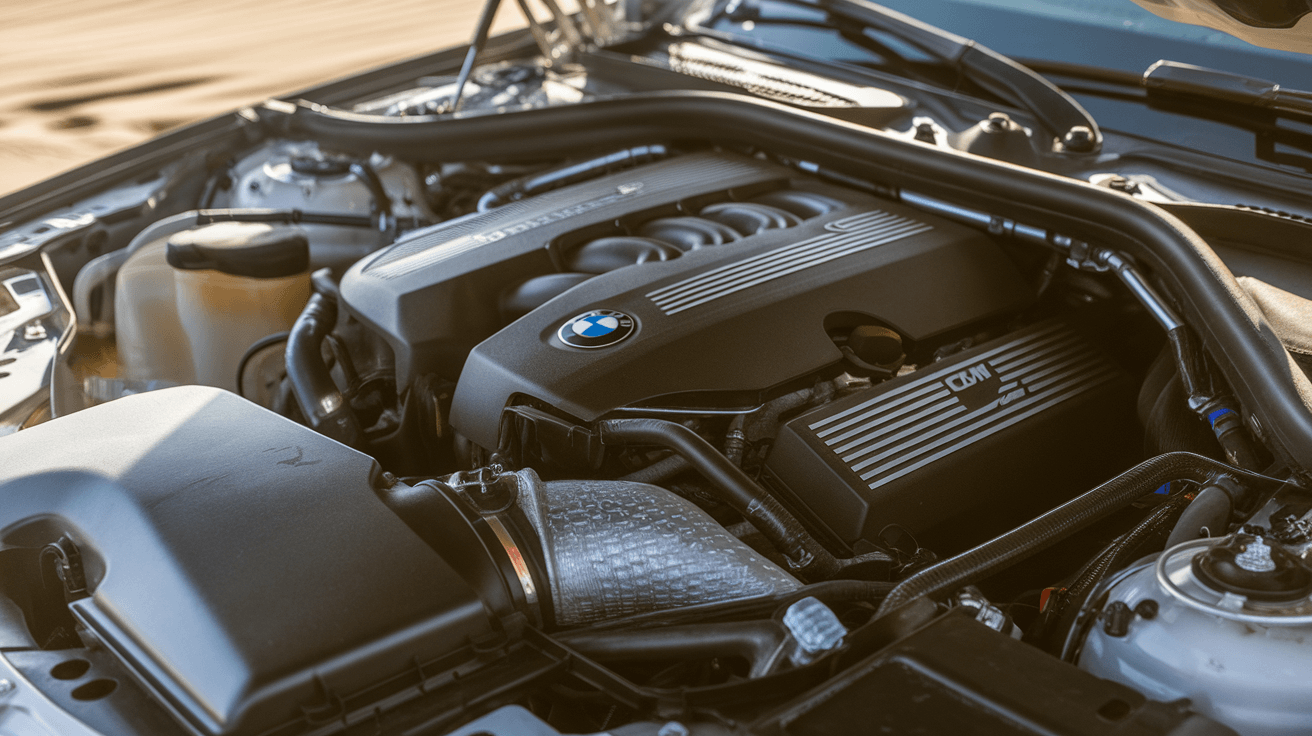
You can baby your BMW all you want: regular oil changes, premium fuel, and careful driving. But in Dubai, that’s not always enough. The environment here plays by its own rules. We’ve seen turbochargers fail in cars with spotless service records. Why? Because the desert doesn’t care about your maintenance log.
BMW Turbo Failure in Dubai isn’t just about age or mileage. It’s about heat, sand, traffic, and the way your turbo is pushed every single day. The causes here aren’t textbook; they’re local. And if you’re driving a turbocharged BMW in this city, you need to know what’s working against you. Here’s what we see, over and over again:
- Extreme Heat and Heat Soak: Dubai’s ambient temperatures often exceed 110°F. That heat builds up in the engine bay, causing heat soak. Turbo seals soften, bearings wear out, and boost pressure drops. This is one of the most common triggers of BMW Turbo Failure in the region.
- Sand Ingestion and Air Intake Contamination: Fine desert sand bypasses standard filters and enters the intake system. It scores compressor blades, clogs intercoolers, and damages wastegates. Even well-maintained BMWs suffer from this, especially after long drives through open desert roads.
- Oil Contamination from Stop-Start Traffic: Dubai’s traffic means long idle times and frequent stop-start driving. Oil sits in the system, thins out, and loses its protective qualities. This leads to bearing wear and internal sludge buildup, accelerating BMW Turbo Failure.
- Turbo Lag and Sudden Throttle Demands: In fast-paced Dubai driving, sudden acceleration demands push the turbo hard. If the wastegate or actuator fails, the system overcompensates. That leads to uneven boost pressure and premature turbocharger wear.
- BMW Engine Overheating from Cooling System Stress: Once the cooling system struggles to keep up, the turbo becomes the weakest link. Overheating leads to cracked housings, melted seals, and full system failure.
BMW Turbo Failure in Dubai isn’t just mechanical, it’s environmental. And unless your BMW is built for desert warfare, it needs help.
Diagnostic Process for BMW Turbo Failure
You can’t fix what you haven’t diagnosed. And with BMW Turbo Failure, guessing doesn’t work. In Dubai, where heat and traffic mask early symptoms, a proper diagnostic process is the only way to catch the issue before it snowballs.
We had a 320i come in last week. The owner said it felt “slightly off” but didn’t think it was serious. No warning lights. No smoke. Just a bit of lag. After a full BMW turbo diagnostics session, we found a cracked compressor housing and oil contamination inside the intercooler. That turbo was done. Here’s how we break it down:
1. Visual Turbocharger Inspection
We start with a close look. Any signs of oil leaks, cracked housings, damaged blades, or loose actuators are red flags. Dubai’s heat often causes seal fatigue and housing warping.
2. Boost Leak Test
We pressurize the intake system to check for leaks. Even a small boost loss can cause poor acceleration and fuel waste. This step often reveals worn hoses or loose clamps.
3. ECU Fault Code Scan
The car’s brain doesn’t lie. We scan for stored or pending codes related to turbo performance, boost pressure, and airflow. Even if the dashboard shows nothing, the ECU might be tracking inconsistencies. This is why many drivers eventually require BMW repair in Dubai, where deeper diagnostics uncover hidden turbo faults before they escalate.
4. Oil Analysis and Feed Line Check
We inspect oil quality and flow to the turbo. Contaminated or thin oil leads to bearing wear. In Dubai, long idle times and traffic stress often degrade oil faster than expected.
Tip: A clean turbo doesn’t mean a healthy turbo. Internal damage hides well.
BMW Turbo Failure isn’t always loud. Sometimes it’s silent. But with the right inspection, we catch it before it costs you an engine.
BMW Turbocharger Replacement vs. Repair
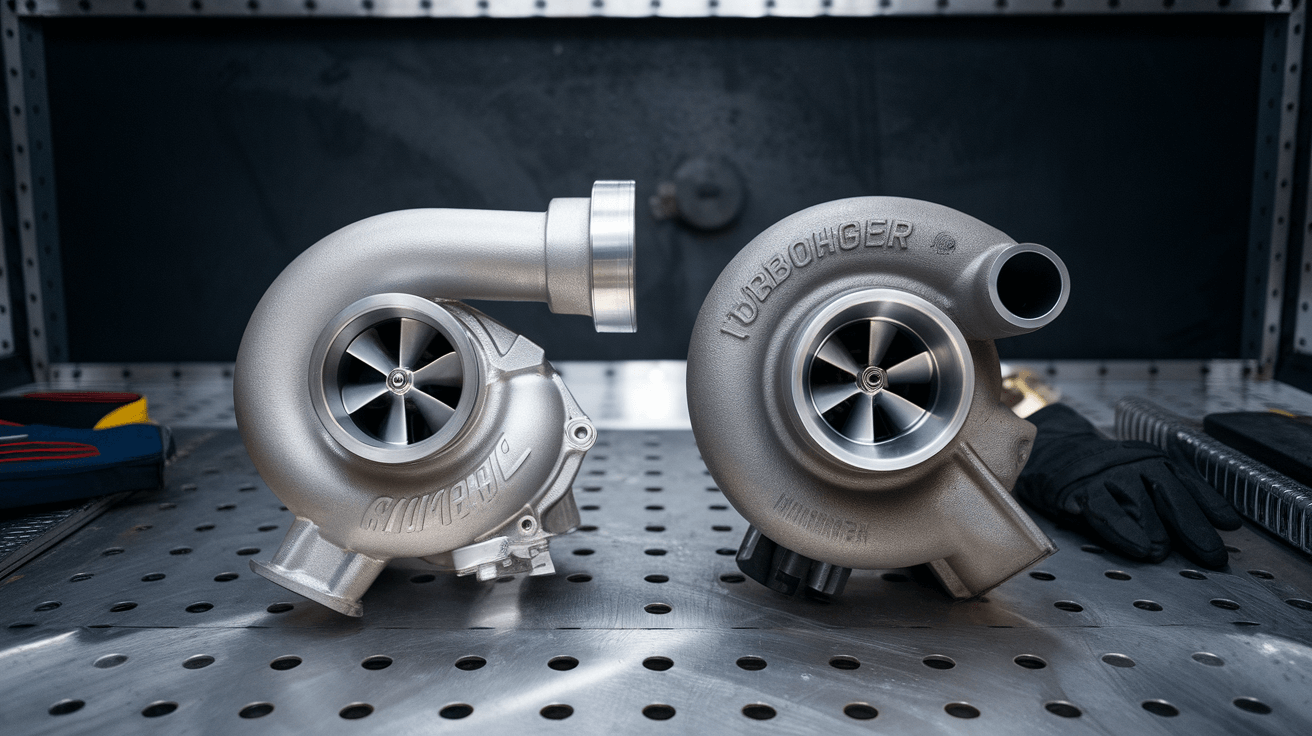
Before deciding whether to repair or replace your turbo, here’s how we break it down based on real cases from Dubai roads:
| Criteria | Repair Viable | Replacement Required |
| Turbo Condition | Minor bearing wear | Cracked turbine or compressor housing |
| Component Integrity | Wastegate and actuator functional | Damaged compressor blades |
| Oil System Health | No oil contamination in the intercooler | Severe sludge or oil starvation |
| Boost Pressure | Stable with minor leaks | Major pressure loss, unrecoverable |
| Heat Damage | No signs of seal fatigue | Melted seals, warped housing from Dubai heat |
| Cost Estimate | AED 2,500–3,500 (estimation cost) | AED 6,000–9,000 (estimation cost) |
| Parts Used | Turbocharger rebuild kits | Original BMW turbo unit |
| OEM vs Original | OEM parts may work short term | Original parts built to BMW spec, more reliable in Dubai |
Tip: Always confirm if the part is BMW-original. OEM-branded parts sold separately aren’t built to the same spec.
BMW Turbo Failure in Dubai often escalates quickly due to heat and traffic stress. Rebuilds work only when damage is minimal. For deeper wear, full BMW turbo replacement in Dubai is the safer route.
Preventive Maintenance to Avoid BMW Turbo Failure
You don’t wait for the turbo to scream before you act. In Dubai, where heat and traffic punish your BMW daily, preventive care isn’t optional; it’s survival. We’ve seen clean-looking turbos fail just because the oil wasn’t changed on time. That’s how fast things unravel here.
BMW Turbo Failure doesn’t always come from abuse. Sometimes, it’s neglect. Missed oil changes, clogged filters, or cooling systems running hot. One 330i came in last week, no warning lights, no smoke, just poor throttle response. The turbo was coated in sludge. The owner hadn’t changed oil in 9,000 miles. Here’s what actually works:
1. Stick to Tight Oil Change Intervals
Forget the manual. In Dubai, oil breaks down faster. Change it every 3,000–4,000 miles. Use high-temp synthetic oil. Skipping this step leads to bearing wear and internal heat damage.
2. Replace Air Filters Frequently
Sand and dust clog filters fast. A dirty filter lets particles into the turbo, scoring blades, and choking airflow. Clean or replace every 5,000 miles, more if you drive near construction zones.
3. Inspect the Cooling System Regularly
Heat soak kills turbos. Make sure coolant levels are right, fans are working, and radiators aren’t blocked. Overheating leads to warped housings and seal failure.
4. Avoid Aggressive Driving in Peak Heat
Flooring it at noon? Bad idea. Turbo lag increases, oil thins, and boost pressure spikes. Drive smoothly when the sun’s overhead.
Tip: A turbo under stress in Dubai doesn’t just wear, it fails fast.
BMW maintenance in Dubai isn’t just about service schedules. It’s about adapting to the climate. Follow these turbo care tips, and you’ll avoid the kind of BMW Turbo Failure that shows up without warning.
Real Case Studies of BMW Turbo Failure in Dubai
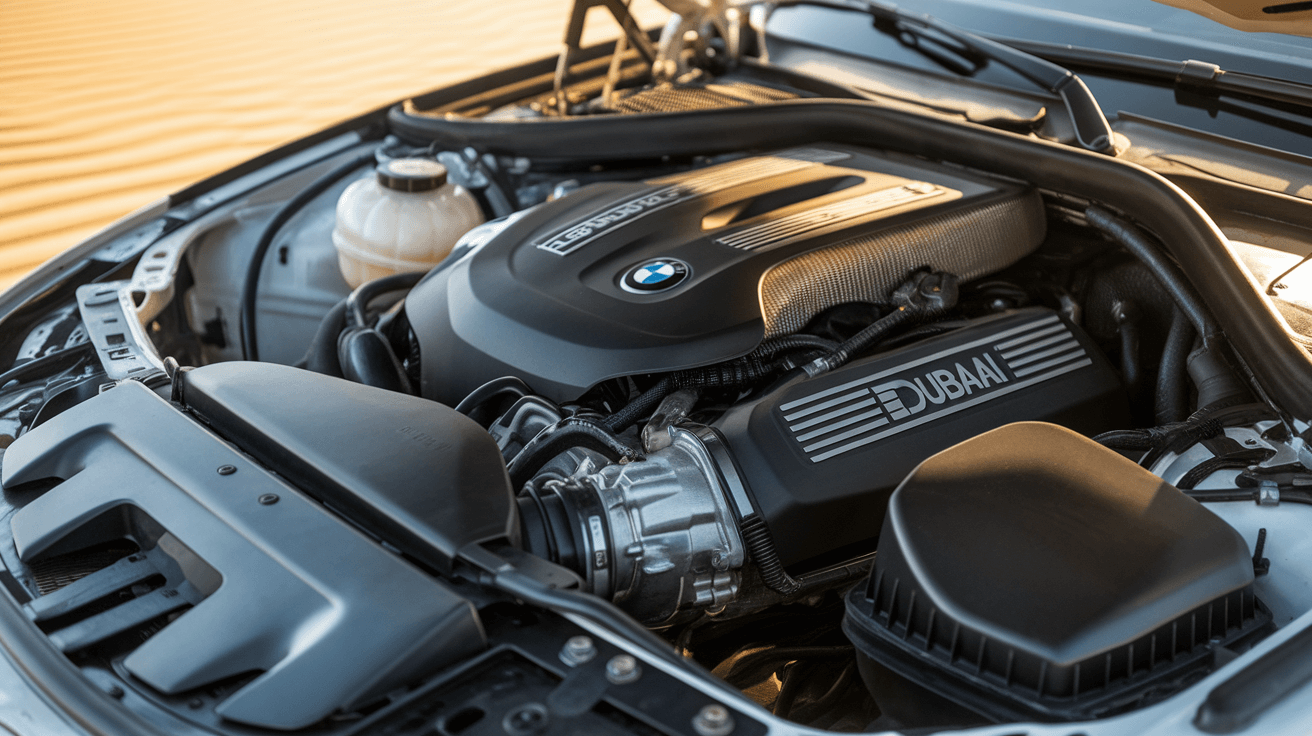
You can read all the theory you want, but nothing hits harder than real stories. In Dubai, BMW Turbo Failure isn’t rare; it’s routine. These aren’t horror stories. They’re lessons. And if you drive a turbocharged BMW here, they’re worth knowing.
Case 1 | BMW 535i – Silent Whistle, Sudden Drop
The owner came in saying, “It’s just not pulling like it used to.” No warning lights. No smoke. Just a faint whistle under load.
- Symptoms: Poor acceleration, turbocharger noise
- Diagnosis: Boost leak, worn compressor blades, oil mist in intercooler
- Resolution: Full turbo replacement with the original BMW unit
- Lesson: Early signs are subtle. Waiting too long means replacement, not repair.
Case 2 | BMW X6 – Smoke and Sludge
This one rolled in trailing blue smoke. The driver thought it was just bad fuel. It wasn’t.
- Symptoms: BMW engine smoke, loss of power
- Diagnosis: Oil contamination, failed seals, clogged air intake
- Resolution: Turbo rebuild not viable. Replaced the turbo, flushed the intercooler, and cleaned the intake
- Lesson: Dubai heat accelerates oil breakdown. Stick to short service intervals.
Case 3 | BMW 730i – No Boost, No Codes
The car felt heavy. No dashboard alerts. Just sluggish.
- Symptoms: Poor acceleration, no boost pressure
- Diagnosis: Wastegate actuator failure, internal bearing wear
- Resolution: Turbocharger inspection revealed deep wear. Full replacement done.
- Lesson: Not all failures trigger codes. Trust your instincts, not just the dashboard.
Idea: If your BMW feels “off” and you’re in Dubai, don’t wait for a warning light. Bring it in.
These BMW repair Dubai case study examples show how fast things go wrong, and how fast they can be fixed if caught early. Every one of these turbo failure examples started small. Everyone ended with a bill.
How Dubai’s Driving Habits Affect Turbo Longevity
Dubai’s roads may look pristine, but they’re deceptively harsh on turbocharged engines. Even if you drive gently, the city’s climate and traffic patterns quietly accelerate wear. We’ve seen BMW Turbo Failure in vehicles with perfect service records, because the damage isn’t always about neglect. It’s about the environment and habit.
1. Short Trips and Cold Oil Startups
Frequent short drives, like from JBR to DIFC, don’t allow the engine to reach full operating temperature. Cold oil doesn’t flow efficiently, starving the turbo bearings of lubrication. Over time, this leads to micro-friction and internal scoring.
2. Long Idle Times in Traffic
Dubai’s traffic culture means extended idling at valet queues, school pickups, and mall entrances. During idle, oil pressure drops and heat builds up around the turbo. This causes seal fatigue, bearing stress, and eventual BMW Turbo Failure.
3. Aggressive Throttle Use in City Driving
Sudden acceleration in stop-start traffic spikes boost pressure. The wastegate cycles rapidly, and the actuator works overtime. This repetitive strain creates uneven turbo stress patterns, especially in Sport mode.
4. Frequent Boost Cycles and Engine Load
Every time you accelerate, the turbo spools up. In Dubai’s fast-paced driving, this happens dozens of times per trip. The result? Heat spikes, pressure surges, and accelerated wear on internal components.
5. Real-World Example from Dubai Roads
A 730Li owner reported sluggish performance at just 38,000 km. No racing, no abuse, just short commutes and heavy AC load. The turbo failed due to bearing wear and heat soak. Classic BMW Turbo Failure triggered by daily habits.
Tip: Even smooth driving in Dubai can push your turbo harder than you think.
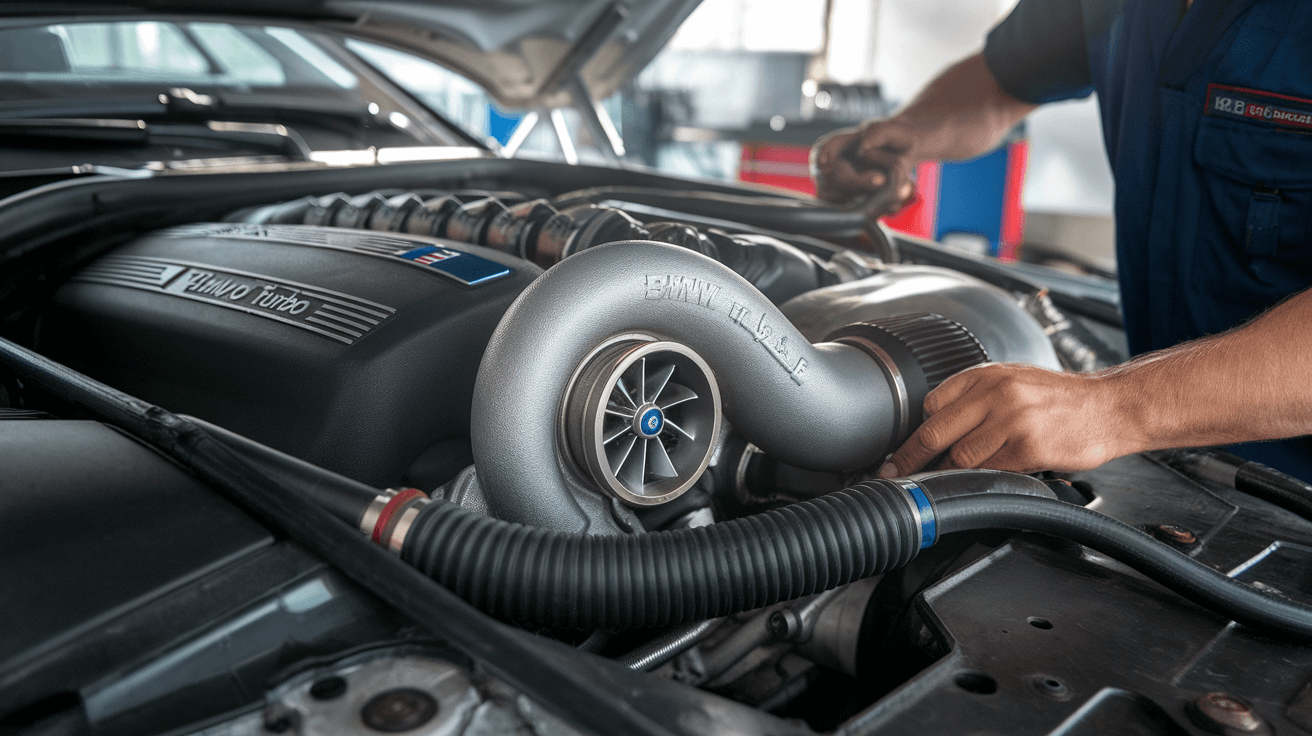
Hidden Costs of Ignoring BMW Turbo Failure
In Dubai, turbo neglect doesn’t just affect performance; it quietly drains your wallet, damages your engine, and lowers your car’s long-term value. Here’s what happens when you delay action.
1. Engine Damage from Prolonged Turbo Stress
A failing turbo doesn’t work in isolation; it disrupts airflow, oil circulation, and combustion, putting the entire engine at risk.
- Oil leaks contaminate combustion chambers
- Misfires and piston wear become common
- Catalytic converter and spark plugs suffer
- Leads to costly BMW engine repair in Dubai
2. Fuel Waste and Sensor Malfunction
When the turbo underperforms, your BMW compensates by burning more fuel and relying on confused sensors, leading to inefficiency and false diagnostics.
- ECU injects excess fuel to maintain power
- Mileage drops by up to 25%
- Dirty airflow triggers limp mode
- Sensor replacements add to repair costs
3. Resale Value and Insurance Impact
Turbo issues, especially unresolved ones, leave a trail in your service history, making buyers and insurers wary.
- Lower resale appeal due to mechanical red flags
- Buyers in Dubai often inspect turbo health
- Insurance may deny claims tied to poor maintenance
- Perceived neglect reduces market trust
4. Downtime and Inconvenience in Dubai’s Traffic
Turbo failure rarely happens at a good time. In Dubai’s heat and congestion, even a short breakdown can feel like a disaster.
- Stranded during peak hours or long drives
- Towing and workshop delays waste time
- Missed meetings and added stress
- Heat exposure worsens the experience
Tip: Fixing a turbo early costs less than repairing the damage it causes.
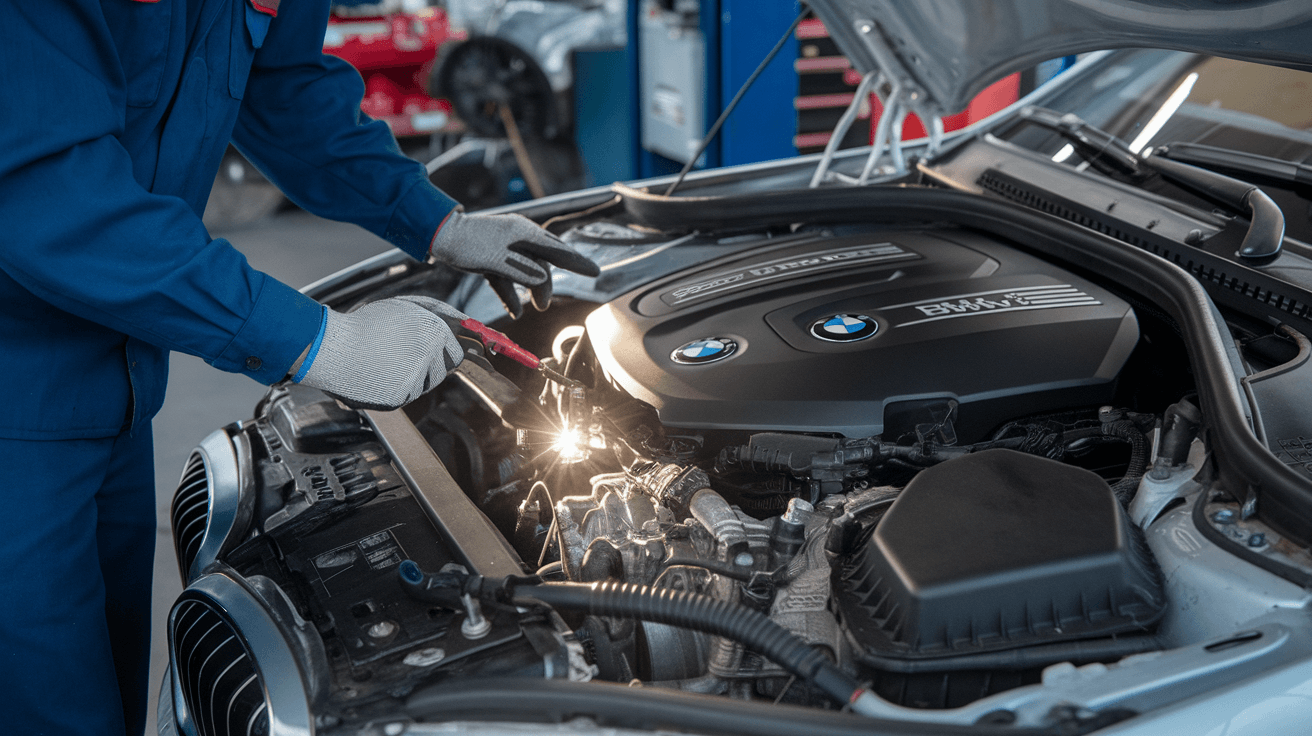
Solving BMW Turbo Failure with Expert Help
From sluggish acceleration and whining noises to oil contamination and heat damage, BMW Turbo Failure in Dubai is rarely a one-part problem. It’s a system-wide issue shaped by climate, driving habits, and maintenance gaps. The key to turbo reliability and long-term performance lies in early detection, tailored service, and expert intervention.
If your BMW shows any signs of turbo stress, don’t wait. Seek a professional BMW turbo solution in Dubai that understands local driving conditions and offers precise turbocharger service. With the right diagnosis and care, your engine stays strong, responsive, and ready for the road.