

Coolant loss or a temperature warning
- Share the warning and whether you saw residue or a puddle after parking.
- Ask where the leak was found and whether the quote includes filling, bleeding and a final leak check.
Roof stuck halfway, water in the boot or a knock over bumps? We assess roof, cooling, brake and suspension faults and quote the work for your Z4.

Starting prices apply to selected BMW applications. Ask for your fitted price and inclusions total.
Quoted after testing. Ask which switch, latch, seal, drain or mechanism needs work and what trim removal and retesting are included.
Quoted after the leak is traced. Compare the failed part, seals, coolant and the final leak check in the same estimate.
Confirm the axle, disc or sensor condition, fitted damper type and whether alignment is included.
Choose the closest symptom to see what to report and what the assessment can cover.
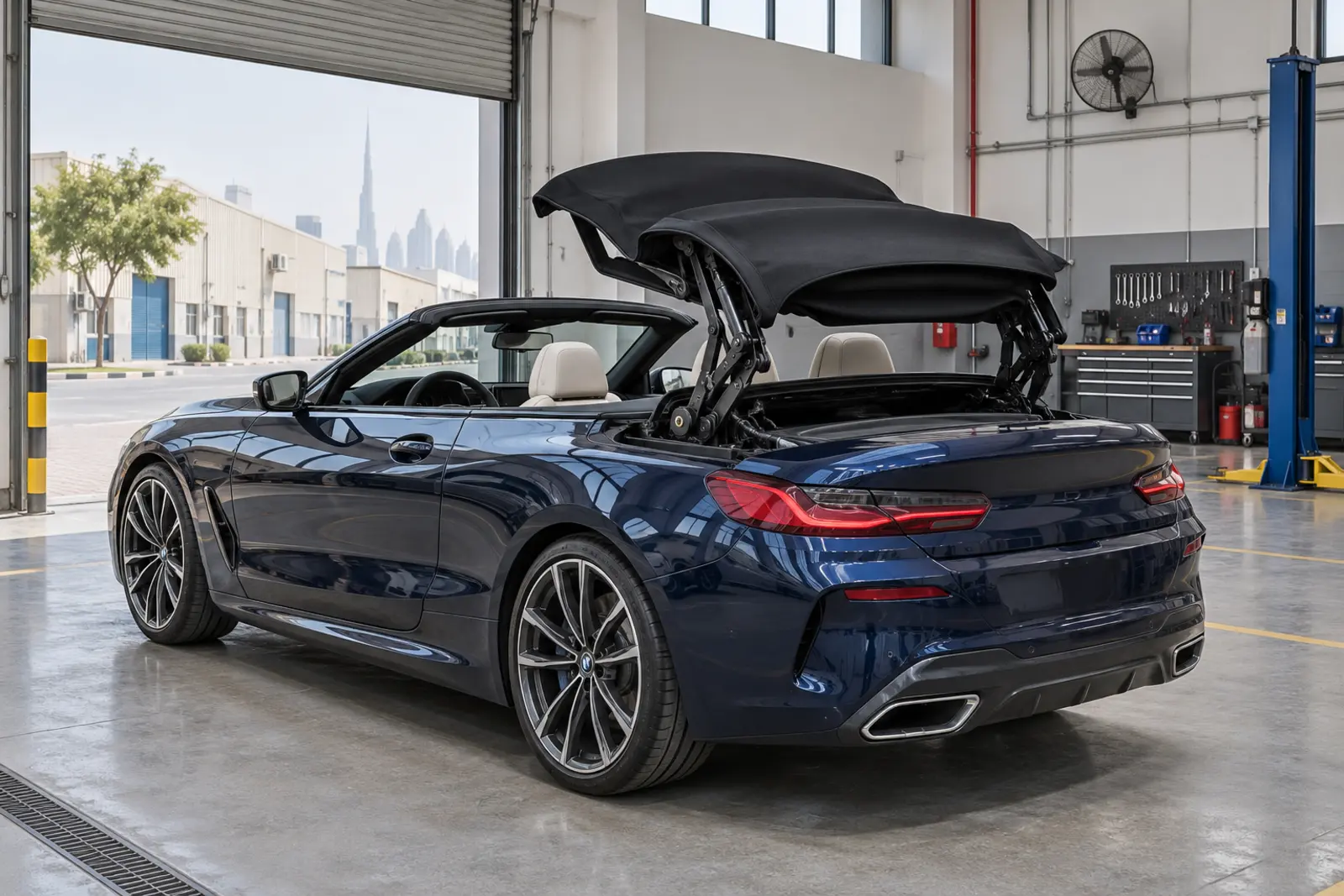
Tell us Share the exact stopping point, dashboard warning and whether the windows or boot lid moved. Include a video if you already have one.
What we check Check the roof’s operating conditions, supply and position signals. On the E89 hardtop, establish which stage stopped before quoting switches, wiring or hydraulic work.
Tell us Say where you first found moisture and whether it followed rain, washing or earlier glass or roof work.
What we check Trace the entry path and inspect the relevant drains, seals or alignment. If electrical faults followed the leak, include an inspection of the affected area.
Tell us Note the side, speed and whether the noise started after glass, seal or roof work.
What we check Inspect window indexing and the contact between glass and roof seals. Ask how the workshop will verify the repair under the conditions that caused the noise.
Send the VIN or production date when comparing parts. Engine, brakes and transmission can vary within the same generation.
Fabric roof. For an older car with incomplete records, establish the condition of drains, seals, cooling parts and suspension before committing to a repair list. E86 is the fixed-roof coupé.
The electro-hydraulic hardtop moves in stages. Report where the sequence stops and whether the boot or windows move. Confirm the failed part before choosing a hydraulic or electrical repair.
Check the exact sDrive or M40i specification for engine, brakes and dampers. Tell us if the symptom began after wheel, glass, battery or roof work.
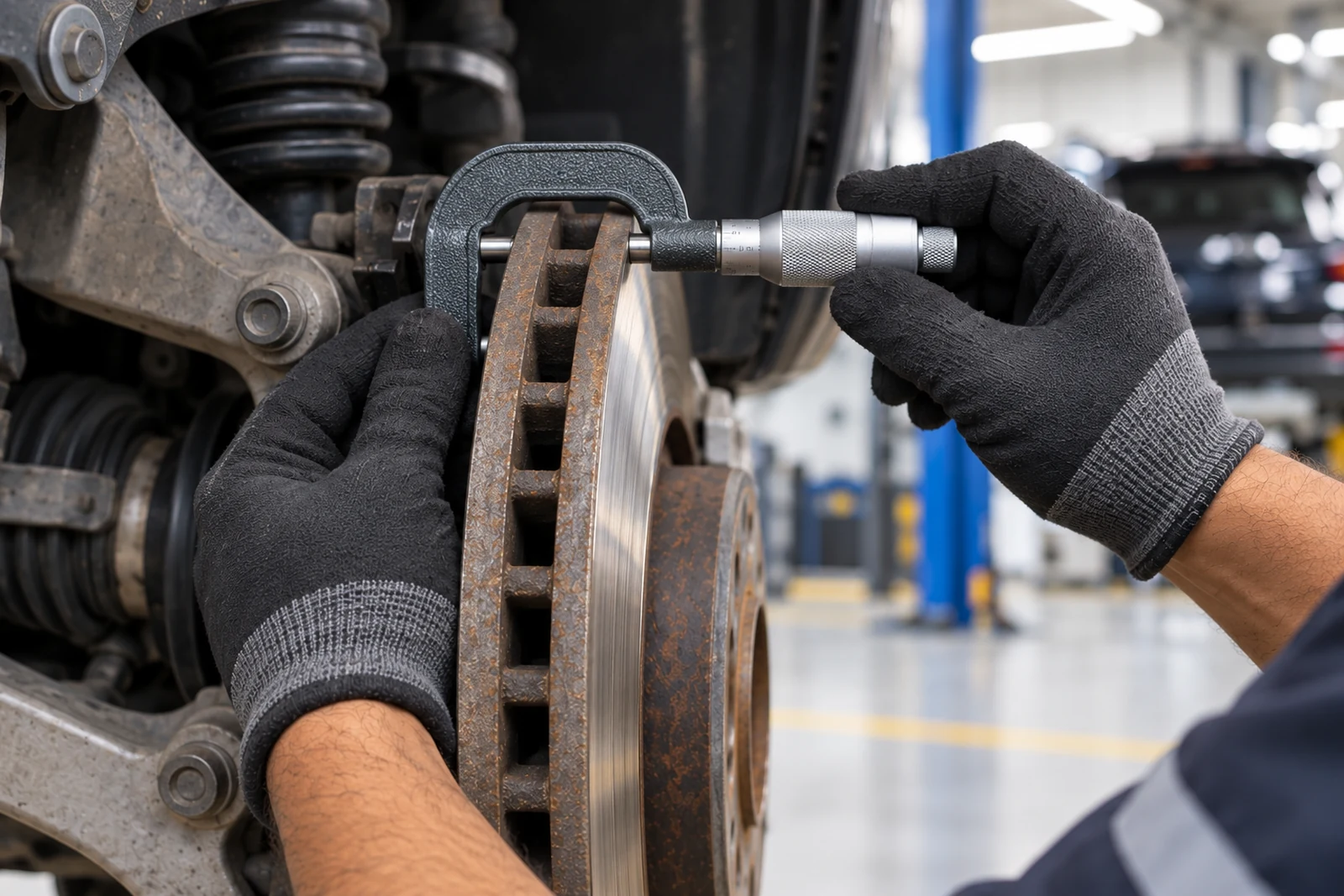
Tell us what happens when you try to start the car and what was working just before the fault. Mention how long the car was parked and any recent battery, roof or audio work.
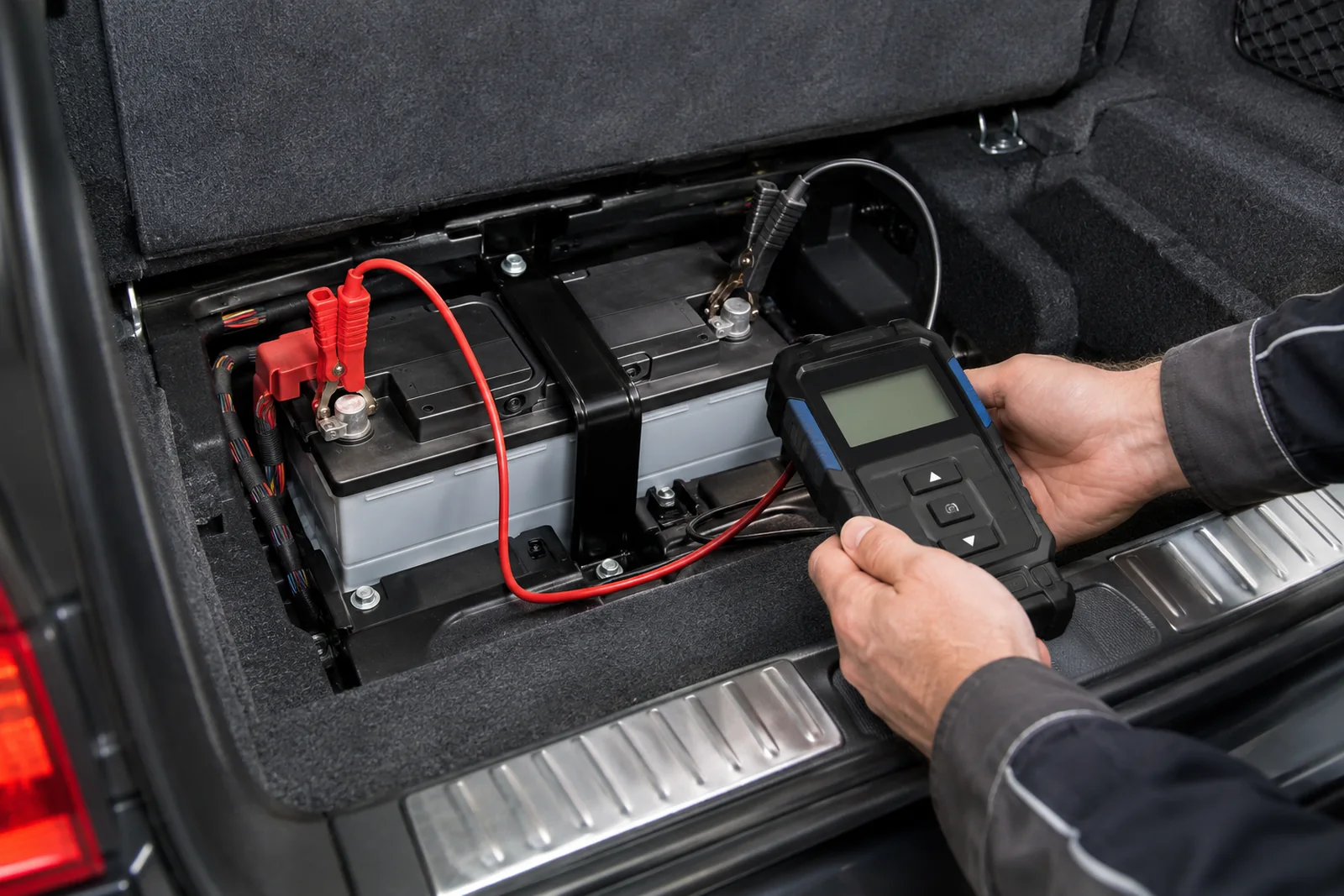
A short description of when it happens helps the workshop reproduce the fault and quote the right job for the fitted transmission.
What you noticeSay whether it happens on the first start or only once warm. Note any warning and whether it occurs in both directions.
What to checkConfirm the gearbox, check for leaks and read fault data. Ask which finding supports fluid work, electrical checks or internal repair.
What you noticeDescribe the speed, gear and throttle position. If it happens only on a hill or during a turn, mention that too.
What to checkReproduce the symptom where practical and compare gearbox behaviour with engine running and mount condition. Record when the shudder begins.
What you noticeDescribe whether engine speed rises without matching acceleration, whether the pedal feel changed and which gears are affected.
What to checkAsk what the technician found in the clutch operation, hydraulic system or linkage before pricing a clutch kit or gearbox work.
What you noticeNote whether it follows road speed or engine speed and whether braking changes it.
What to checkCheck tyres, wheels and driveline play as indicated. A vibration that follows road speed can call for different checks from a vibration during a shift.
For gearbox fluid work, confirm the fluid specification, applicable filter or pan and final level check. Ask how the workshop will verify the result at handover. BMW gearbox repair options
Use the service display, mileage and invoices to separate due work from wear and fault diagnosis.
Confirm engine oil approval, filter, fill quantity and the applicable service reminders.
Check brake fluid due date, brake wear, tyres and battery condition. Mention if the car has been parked for an extended period.
Confirm the parts and fitted total, then review the invoice, applicable resets and items to monitor at handover.
Ask the seller to make the car available for a cold start and a roof demonstration. A written report helps you separate repairs needed now from work you can plan for later.
Check the VIN, generation and fitted equipment against invoices. Ask about accident repairs, import history, modifications and past roof, battery, cooling or gearbox work. Check whether the paperwork identifies the actual part and date of repair.
Where the roof is safe to operate, observe a full cycle and watch the windows and latch. Look for damp trim, water marks and signs of previous seal work. On a fixed-roof E86, focus on the windows, door seals and any signs of water entry.
Where a road test is practical, compare cold and warm behaviour, gear engagement, braking and noise over bumps. Confirm tyre sizes and wear on both axles. Ask for underbody findings and any relevant diagnostic results.
Ask the inspector to list urgent findings, items to monitor and work due by service history. Request separate fitted estimates for larger repairs and confirm whether further investigation is needed before a firm quote.
The workshop publishes an initial fault-code scan and report from AED 150. Agree the scope and cost of physical checks, leak tracing or additional electrical testing before work begins.
The E85 roadster and G29 use fabric roofs and the E89 uses a folding hardtop. Confirm production date, roof equipment and part number before ordering. The E86 is the fixed-roof coupé.
A video or exact warning helps identify which stage to inspect. A fitted quote depends on confirming the cause and the access required, especially if the roof stopped partway or water reached electrical components.
Call with the vehicle location and condition so the workshop can confirm suitable transport, availability and any recovery charges. Say if the roof will not latch, the steering or braking is affected, or the car cannot start.
Send the model year, mileage and service display. Bring invoices for previous oil, brake fluid, cooling and gearbox work, plus details of any modifications or recurring warnings.
Have your model year, mileage and exact symptom ready. Ask about pickup when booking and tell us if the roof is stuck or the car cannot be driven.