
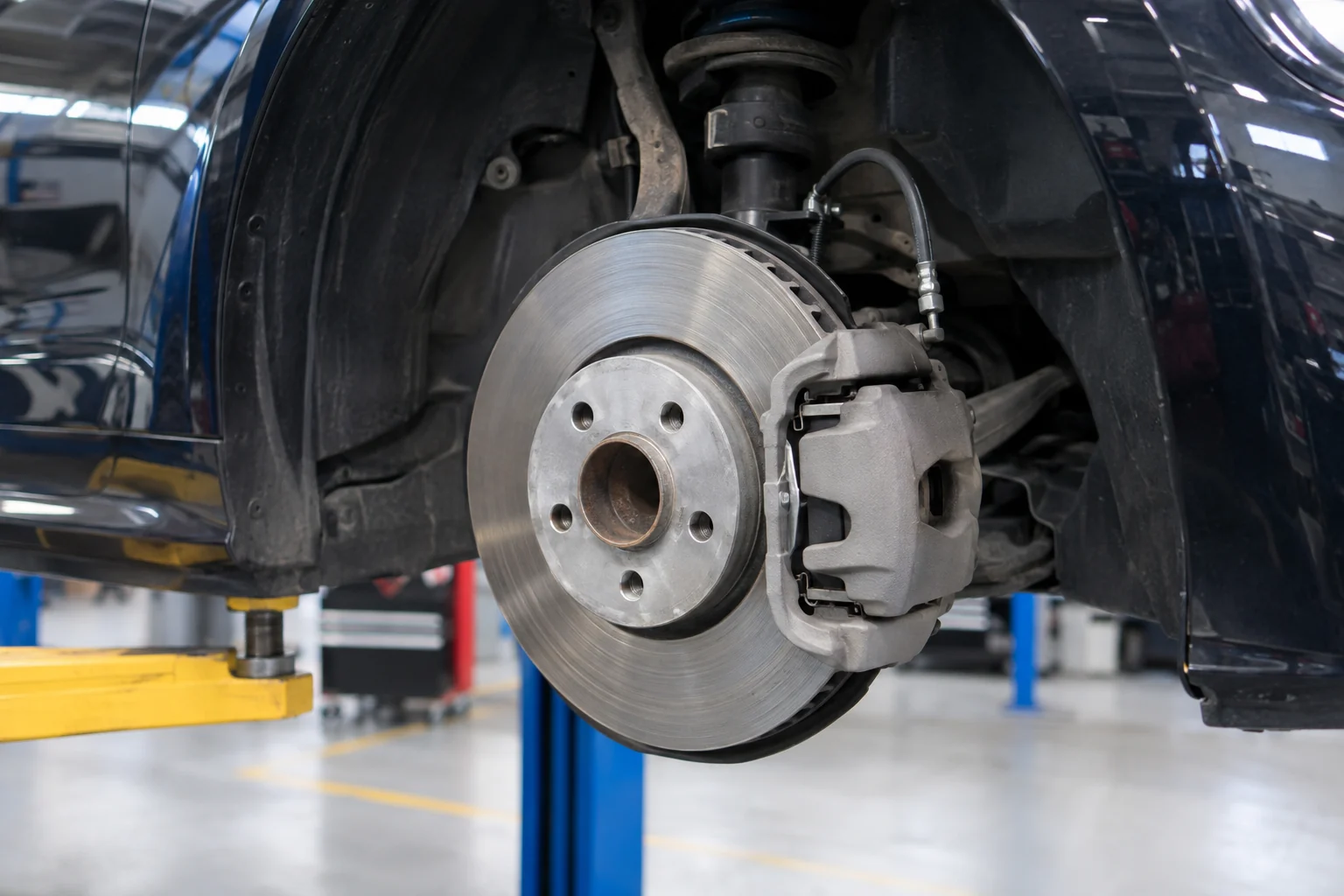
When brake noise needs urgent attention
BMW brake noise needs an urgency check before a parts diagnosis. A squeal with normal braking is a different complaint from grinding with reduced stopping power, but the sound alone cannot establish that the car is safe. Changes in pedal feel, warnings and the way the car stops matter as much as the noise.
Reduced braking, a pedal that feels unusually soft or sinks, severe grinding, smoke or a strong burning smell needs prompt assessment. Follow any brake warning message and the vehicle handbook. Do not drive to the garage to see whether the problem clears or repeatedly brake to reproduce it.
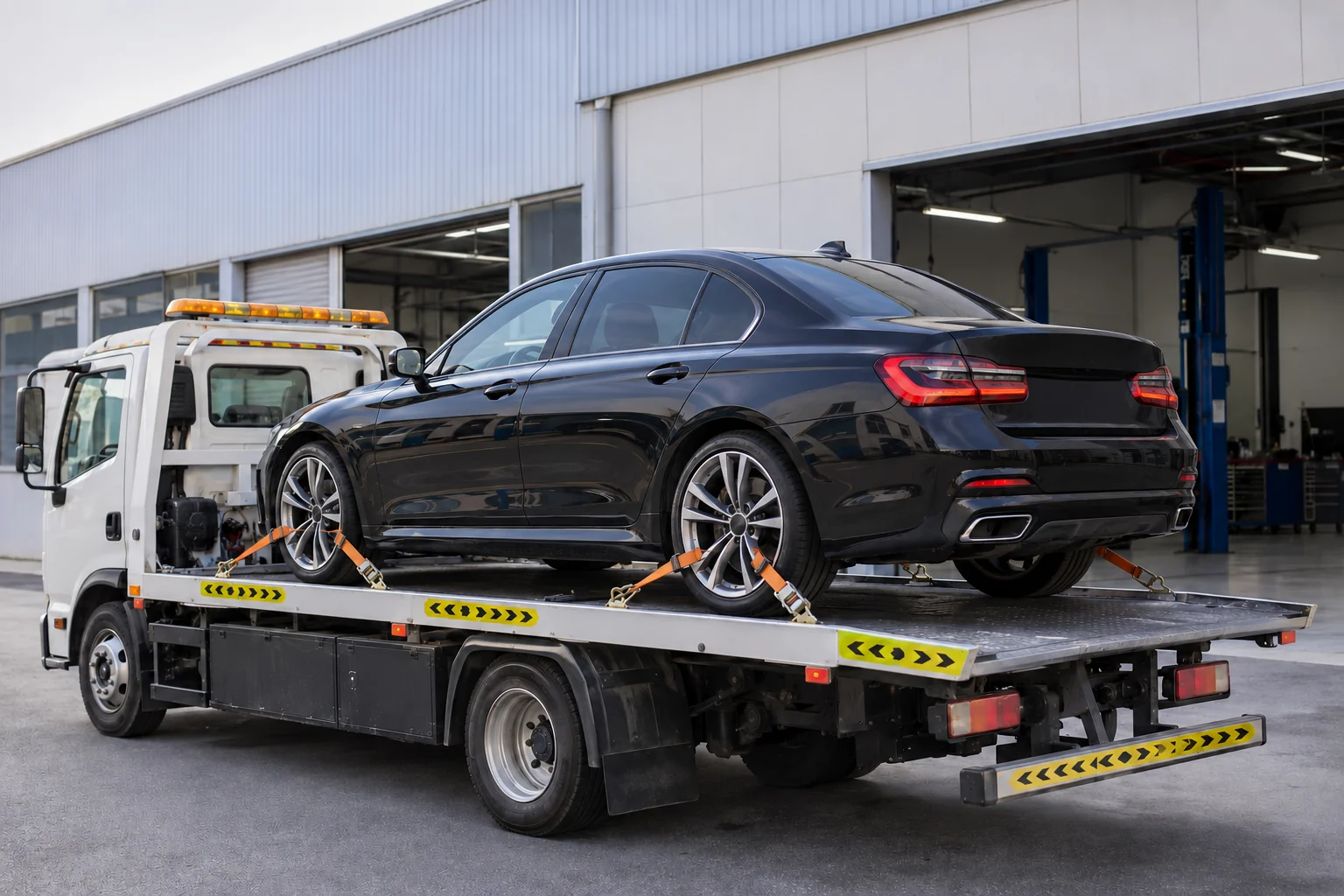
A strong pull under braking or a sudden change in control also needs attention. Avoid touching a wheel or brake assembly to check whether it is hot. If the car should remain parked, call to discuss suitable recovery rather than assuming a short journey is safe.
For an intermittent squeak without a change in braking or other warning signs, arrange an inspection and describe the circumstances. This is not a guarantee that a certain distance is safe to drive. Tell the workshop if you are uncertain about pedal feel, warning text or when the noise began.
What different brake sounds can suggest
Describe what you hear and when it happens before naming a failed component. A sound heard only with the pedal applied gives a different starting point from a rumble that continues while the car rolls. The workshop still needs to confirm the source.
| What you notice | Possible direction | Useful assessment |
|---|---|---|
| High pitched squeal during light braking | Friction vibration, operating conditions or component condition | Check the fitted pads, discs, contact hardware and wear |
| Grinding when braking | Severe wear, damaged friction surfaces or another contact problem | Urgency assessment and brake inspection before further driving |
| Scraping while rolling | Brake-area contact, debris or another wheel-end source | Identify where contact occurs rather than assuming worn pads |
| Click or rattle as braking begins or direction changes | Movement at pads, hardware or another nearby component | Check installation, retention and the actual source |
| Noise with pedal or steering vibration | A brake condition requiring measurement, or a separate wheel concern | Assess disc condition and relevant wheel/hub factors |
Wheel-bearing or tyre noise can be confused with a brake complaint. If the sound continues without pedal application, that observation is useful, but it does not rule brakes in or out. Our wheel-bearing noise guide covers a different diagnostic path. Do not make abrupt steering manoeuvres or repeated test stops to separate them yourself.
Why squealing does not automatically mean worn pads
A squeal describes a sound, not a remaining pad thickness. Friction components can make noise under particular operating conditions, while wear, corrosion, installation and hardware faults can also contribute. Replacing pads solely because they squeak may leave the cause unresolved.
Keep three questions separate: whether the brakes make noise, whether a wear warning is displayed, and what inspection measures. BMWs can use electronic pad-wear indication, and the service display is not an acoustic test. Do not assume every pad is designed to squeal as its universal replacement warning.
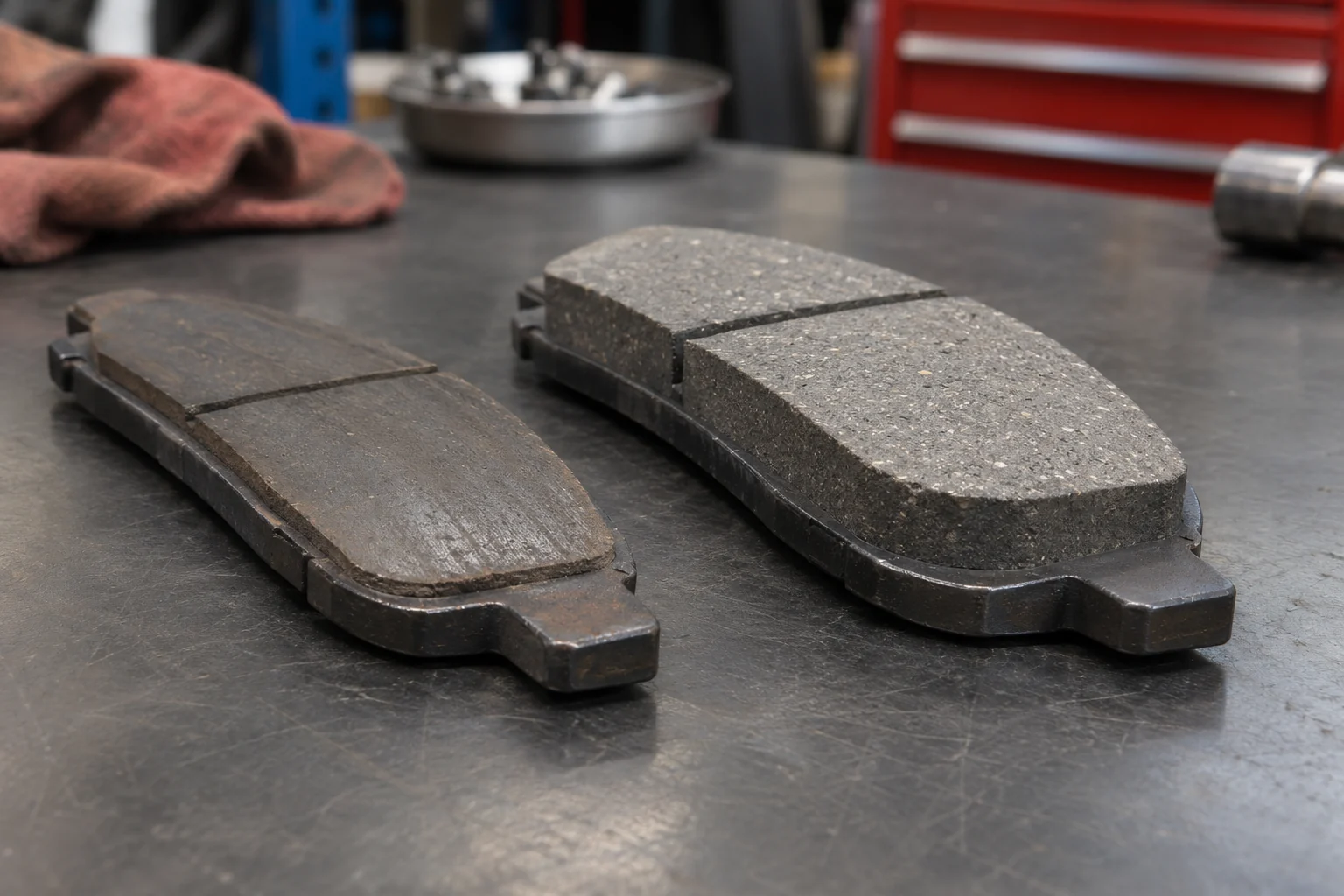
The outer pad visible through a wheel does not show the complete condition of an axle. A workshop should assess the relevant inner and outer pads and explain any uneven wear. A service display or a quick glance should not substitute for inspection when there is a new complaint.
If the evidence supports pad replacement, the installed brake package determines the correct parts and procedure. Our BMW brake pads replacement service covers assessment and replacement options. Ask which finding supports the recommendation and whether the discs or related hardware also need attention.
Noise after parking washing or recent brake work
The timing of a noise helps the workshop decide how to reproduce it safely. A first-start complaint after parking is not the same history as a noise that began immediately after a pad change. Describe the conditions rather than assuming all cold noises are normal or all new-part noises are installation faults.
Cold brakes and surface corrosion
Moisture and standing time can affect steel brake-disc surfaces. Light surface changes and more substantial corrosion require different judgments, so a photograph or the word rust does not establish the remedy. Persistent noise, vibration or altered braking needs assessment rather than a blanket instruction to drive until it disappears.
New pads or discs
New friction surfaces need the correct bedding or running-in guidance for the installed components. Some noise may occur during that process, but it should not be used to dismiss poor braking, severe grinding or incorrect assembly. Ask the installer what was fitted and which instructions apply.
Do not improvise repeated high-speed stops or follow a universal online bedding routine. Always brake as necessary for traffic and emergencies. If the noise started after work, return the details to the installer so fitment, hardware, disc condition and operation can be checked.
Your fitted brake package changes the assessment
Share the model, year and vehicle identification number (VIN) when arranging an inspection. A model badge does not identify every brake component across its production history. Previous upgrades or replacement parts should also be mentioned.
Standard brakes, M Sport equipment and other performance packages need the correct parts match. An M badge does not by itself establish that a car has carbon-ceramic discs. Disc type and caliper design should be identified before anyone proposes machining, replacement parts or a noise remedy.
Correct specification and installation matter more than a simple genuine-versus-aftermarket label. An aftermarket component is not automatically incompatible, and genuine branding does not establish that the rest of the system is healthy. Ask for the proposed part specification and why it suits the installed brake package.
Tell the workshop whether the car is petrol, diesel, hybrid or electric and whether the complaint involves the service brake or parking brake. This guide concerns noise assessment, not a universal procedure for retracting calipers, operating an electronic parking brake or working around high-voltage equipment.
Useful details to record without dismantling anything
You can improve the diagnosis by describing the complaint accurately. You do not need to remove a wheel, reach behind a disc or clean the brake surfaces. Keep people, tools and phones away from moving wheels and hot components.
- TimingSay whether the brakes are cold or warm, whether it is the first stop, and whether it follows parking or washing.
- Pedal useExplain whether the noise appears with light braking, ordinary stopping or while rolling without using the pedal.
- Recent workProvide the date and scope of any pad, disc, tyre, wheel or suspension work and whether the sound began before or after it.
- Other symptomsRecord the exact warning text and any change in braking, pedal feel, vibration or direction.
A safely obtained recording may help describe the noise. Do not hold a phone outside a moving car or ask someone to stand near the wheels during a test. If there are urgent symptoms, prioritise stopping safely and assistance rather than making a recording.
Do not spray lubricant, tyre dressing or household products onto brake friction surfaces to silence a squeak. Do not touch a hot disc or get beneath an unsupported vehicle. Wheel removal, component cleaning and brake repair belong within properly equipped workshop procedures.
What the workshop should establish before ordering parts
A useful diagnosis links the original sound to an observed or measured finding. The technician should first decide whether reproducing the complaint is appropriate, then use the applicable inspection procedure. A code scan alone cannot measure pad lining or establish disc condition.
- Confirm the source and operating condition
- Check the complaint history and identify the affected wheel or axle where possible. Distinguish noise from braking, wheel rotation, suspension or another source.
- Assess pads and discs
- Inspect the relevant inner and outer pads, disc surfaces and wear pattern. Use the correct measured limits for the fitted components rather than judging from a visible outer pad alone.
- Check caliper operation and hardware
- Assess the fitted caliper type, appropriate moving elements, mounting, pad fit, retention hardware and any evidence of binding or uneven contact.
- Measure where the symptom calls for it
- For vibration or an uncertain disc condition, assess the relevant disc and hub measurements. Explain what the result means before describing a disc as warped or recommending machining.
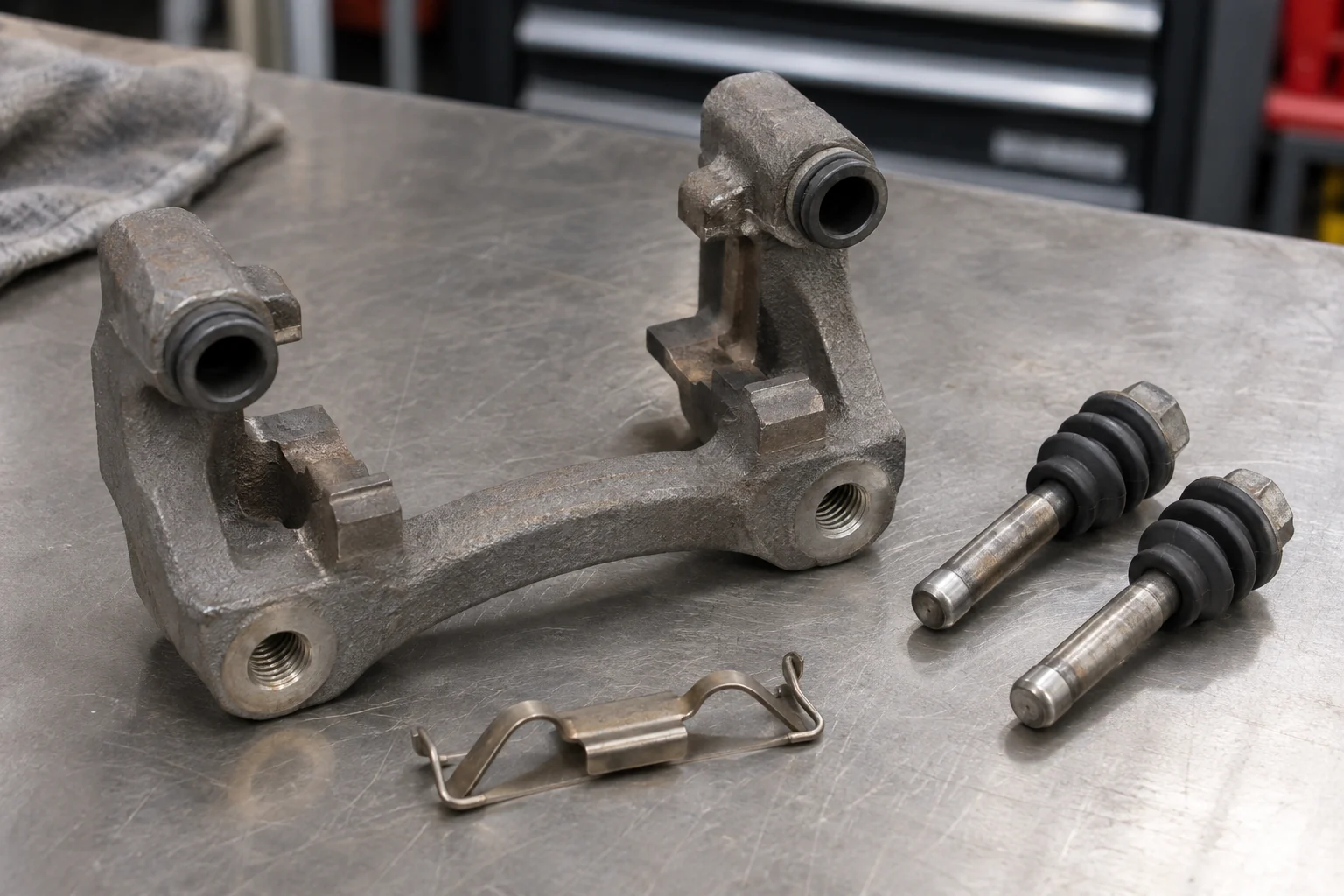
Floating and fixed calipers do not have identical service details. The actual assembly and its procedure determine which moving elements are inspected, where approved lubrication is used and which parts are replaced.
Ask for a clear explanation of the failed function and any secondary damage. A worn pad, binding caliper and incorrectly installed retaining part can require different scopes of work even if the owner initially describes all three as squeaking.
How findings should change the repair decision
The repair should address the cause rather than simply make the noise quieter for collection. A quote should distinguish diagnostic work from the parts and labour needed after the findings are known.
- Confirmed lining wear Match the replacement scope to the fitted system and assess associated discs and wear-indication components.
- Disc damage or unsuitable condition Explain the measurements and surface findings that support replacement or an approved alternative.
- Caliper or hardware fault Resolve binding, retention or installation problems and inspect affected friction components.
- Condition-dependent noise with serviceable components Explain the verified findings and suitable component-specific advice instead of promising that a new part will eliminate every sound.
Resurfacing is not a universal option. Eligibility depends on the exact disc type, application, measured condition and current BMW procedure. Carbon-ceramic or other special discs must not be treated like an ordinary steel disc on the basis of a general article.
Our BMW brake repair service covers professional assessment and repair enquiries. Confirm parts, labour, related work and quote conditions before approval; a noise description alone cannot define one fitted price.
What to ask before collecting the car
Ask whether the original condition has been reassessed and what changed. A warm workshop check may not reproduce a complaint that only occurred on the first cold stop. If the noise was intermittent, agree what has been established and what remains uncertain.
The handover should explain the fitted parts, relevant bedding instructions and any separate warning or noise. Follow the instructions for the actual components, and contact the workshop if the original sound returns. Do not wait for a suggested running-in distance when braking deteriorates or urgent symptoms appear.
Keep the findings and parts information with the invoice. If the sound turns out not to originate in the brakes, a broader BMW noise assessment may be appropriate. Alignment and wheel balancing should be recommended for relevant findings, rather than added as routine cures for brake squeal.
Questions about BMW brake noise
Can brakes squeal while the pads still have useful lining
Yes. Noise and remaining pad thickness are different questions. Operating conditions and the condition or installation of associated parts can affect noise. Inspection should establish whether the system is serviceable rather than relying on the sound alone.
Does no brake warning mean the brakes are healthy
No. A wear or service indication does not assess every mechanical condition at every friction surface. A new noise or change in braking needs assessment even when the display has no warning.
Should I change brake fluid to stop squeaking
Brake-fluid servicing has its own purpose and vehicle-specific schedule. It should not be sold as a general cure for friction noise without a finding that supports the proposed work. Noise and changes in braking performance need the appropriate assessment.
Can a stone cause scraping near a brake disc
Debris or unintended contact can cause scraping, but other faults can sound similar. Do not reach behind the disc or dismantle the assembly to investigate. Describe whether it happens while rolling or braking and arrange an inspection.
Should I wait for new brakes to become quiet
Use the installer's guidance only after correct function and fitment have been established. Reduced braking, abnormal pedal feel, severe grinding or other urgent symptoms should not be dismissed as bedding in.
Technical references and vehicle-specific limits
BMW's published brake-noise communication guidance distinguishes operating conditions and break-in from a proper diagnosis. Brembo's noise and vibration guidance supports assessing the associated system components rather than blaming a new pad alone.
BMW's historical disc-resurfacing guidance shows why disc type and application limits matter. These North American documents do not establish UAE warranty coverage or replace the current procedure for your car. Use the correct vehicle handbook and fitted-component instructions for action.
Discuss your brake noise before travelling
Tell us your model, year, when the sound occurs, any recent brake work and the exact warning message. If braking feels different, the noise is severe or there is smoke or a burning smell, call to discuss assistance rather than driving over for a demonstration.
Independent BMW specialist. Not affiliated with BMW AG.